Airbnb vs. Long-Term Rental: Which Makes More Sense for Your Property?
If you own a property—or are thinking about buying one—you’ve likely asked yourself this question:
Should I list it as an Airbnb, or would a long-term rental make more sense?
Both options can be profitable, but the right choice depends on your goals, location, lifestyle, and appetite for involvement. This guide breaks down the real differences between Airbnb and long-term rentals so you can decide what’s best for your property—not just what’s trending.
If you own a property—or are thinking about buying one—you’ve likely asked yourself this question:
Should I list it as an Airbnb, or would a long-term rental make more sense?
Both options can be profitable, but the right choice depends on your goals, location, lifestyle, and appetite for involvement. This guide breaks down the real differences between Airbnb and long-term rentals so you can decide what’s best for your property—not just what’s trending.
Understanding the Two Rental Models
Airbnb (Short-Term Rental)
Airbnb rentals are typically leased for a few nights to a few weeks at a time. Income fluctuates month to month based on demand, seasonality, and pricing strategy.
Long-Term Rental
Long-term rentals are usually leased for 6–12 months or longer. Income is steady and predictable, with fewer turnovers and lower day-to-day involvement.
Income Potential: Which Makes More?
Airbnb Income
Short-term rentals often generate higher gross income, especially in:
Tourist destinations
Weekend or seasonal markets
Unique or well-designed properties
However, income varies month to month and requires active pricing management.
Long-Term Rental Income
Long-term rentals typically produce lower gross income, but it’s consistent and easier to forecast. You’ll know exactly what’s coming in each month.
Bottom line:
Airbnb often wins on gross income, but long-term rentals win on predictability.
Expenses and Costs to Consider
Airbnb Expenses
Furnishing and decor
Utilities (internet, electric, water, streaming)
Cleaning after each guest
Restocking supplies
Short-term rental insurance
Platform and management fees
Long-Term Rental Expenses
Minimal furnishing (if any)
Fewer utility responsibilities
Lower cleaning and maintenance costs
Standard landlord insurance
While Airbnb brings in more revenue, it also comes with higher operating costs.
Time, Effort, and Lifestyle Impact
Airbnb Requires:
Guest communication at all hours
Coordination with cleaners and maintenance
Pricing and calendar management
Issue resolution during stays
Long-Term Rentals Require:
Tenant screening
Occasional maintenance coordination
Lease renewals and compliance
If flexibility and time freedom matter to you, long-term rentals—or Airbnb with help—may be the better fit.
Wear and Tear: What’s the Reality?
Airbnbs experience:
More frequent cleaning
Higher guest turnover
Increased wear on furniture and finishes
Long-term rentals experience:
Less frequent wear
Fewer turnovers
Potential for deferred maintenance if tenants don’t report issues
Designing your Airbnb with durability in mind significantly reduces replacement and repair costs.
Regulations and Risk
Airbnb regulations vary by city and can change quickly. Some markets require:
Permits and licenses
Occupancy taxes
Primary residence restrictions
Long-term rentals are generally more stable from a regulatory standpoint, though rent control and eviction laws vary by location.
Always research local ordinances before choosing a rental strategy.
Which Properties Are Best for Airbnb?
Airbnb often makes sense if your property:
Is in a high-demand location
Can be professionally furnished and styled
Has unique features or strong design appeal
Is allowed under local STR regulations
Fits your lifestyle or investment goals
Airbnb is not passive income—but it can be highly profitable when done right.
Which Properties Are Better for Long-Term Rentals?
Long-term rentals may be the better choice if your property:
Is in a strictly residential area
Is subject to rent control or STR restrictions
Is difficult to manage remotely
Needs minimal involvement
Supports your need for consistent cash flow
The Hybrid Approach: Best of Both Worlds
Some owners choose a hybrid strategy:
Airbnb during peak seasons
Medium- or long-term rentals during slower months
This approach can maximize income while reducing burnout and vacancy.
The Stay & Slay Perspective
At Stay & Slay, we don’t believe in one-size-fits-all advice.
We help property owners:
Evaluate income potential realistically
Design properties for performance and flexibility
Decide whether Airbnb, long-term, or hybrid makes sense
Set up rentals that align with lifestyle and financial goals
Sometimes Airbnb is the right answer. Sometimes it isn’t. The smartest decision is the one that fits your property and life.
Final Thoughts
Choosing between Airbnb and a long-term rental isn’t just about money—it’s about time, risk, regulations, and how involved you want to be.
When you understand the full picture, the right choice becomes clear.
If you’re unsure which path makes sense for your property—or want help designing a rental that actually performs—Stay & Slay is here to help.
The Airbnb Design Mistakes Costing Hosts Thousands in Lost Bookings
12 Simple (But Powerful) Ways to Get More Airbnb Bookings
Is your Airbnb sitting empty while other listings in your market stay fully booked?
You’re not alone—and it’s not bad luck. In today’s competitive short-term rental landscape, bookings go to hosts who are intentional, strategic, and guest-focused.
As Airbnb Superhosts with a consistently full calendar and a profitable short-term rental business, we’ve learned exactly what attracts guests, earns five-star reviews, and keeps bookings rolling in year-round.
Below are 12 proven strategies you can start using immediately to increase your Airbnb bookings, improve occupancy, and maximize revenue.
If your Airbnb isn’t booking as often as you expected—or if you’re stuck lowering prices to stay competitive—there’s a strong chance the problem isn’t your location or the market.
It’s the design.
As Airbnb Superhosts and short-term rental designers, we see it all the time: well-located properties that should perform beautifully, but quietly lose thousands of dollars each year because of avoidable design mistakes.
Design isn’t about making your Airbnb “look nice.” It’s about creating a space guests choose—and feel excited to book.
Let’s break down the most common Airbnb design mistakes that cost hosts real money.
Mistake #1: Playing It Too Safe With Design
Neutral does not mean memorable.
Many hosts default to beige walls, basic furniture, and generic decor thinking it appeals to everyone. In reality, it blends into the background of hundreds of similar listings.
Guests book what they remember.
A successful Airbnb needs:
A cohesive design story
One or two standout moments
Personality without overwhelming the space
When your listing looks like every other rental, guests scroll right past—even if your price is competitive.
Mistake #2: Ignoring the Listing Photos When Designing
Your Airbnb doesn’t just need to feel good in person—it needs to photograph beautifully.
Designing without thinking about photography leads to:
Dark corners
Awkward layouts
Missed visual moments
Poor first impressions online
Every major design decision should answer one question:
How will this look in photos?
Great listings are designed from the lens outward.
Mistake #3: Cheap Furniture That Doesn’t Age Well
Budget matters—but cheap doesn’t mean smart.
Low-quality furniture:
Shows wear quickly
Breaks under guest use
Leads to constant replacements
Hurts reviews
Guests may not comment on quality directly—but they feel it. Wobbly chairs, sagging sofas, and uncomfortable beds quietly chip away at ratings and repeat bookings.
The goal is durable, guest-proof, and timeless, not disposable.
Mistake #4: Forgetting About Lighting
Lighting is one of the most overlooked—and most damaging—design mistakes.
Relying solely on overhead lighting creates:
Flat photos
Harsh shadows
Uninviting spaces
Every room should include layered lighting:
Ambient (overhead)
Task (bedside, kitchen)
Accent (lamps, sconces)
Good lighting makes even modest spaces feel warm, elevated, and intentional.
Mistake #5: Prioritizing Style Over Comfort
A beautiful Airbnb that isn’t comfortable won’t get repeat guests.
Common comfort mistakes:
Too few pillows or blankets
No blackout curtains
Limited charging outlets
Minimal seating
Poor mattress quality
Guests may love your aesthetic—but comfort is what earns five-star reviews.
Mistake #6: Overlooking Storage and Functionality
Guests arrive with luggage, coats, groceries, and gear.
When there’s nowhere to put their things, frustration sets in quickly.
Design should include:
Luggage racks or benches
Closet hangers
Hooks for bags and coats
Nightstands and surfaces
Functionality is part of luxury.
Mistake #7: Designing for You—Not Your Guest
One of the most common mistakes we see is designing based on personal taste instead of guest needs.
Your Airbnb isn’t your home—it’s a hospitality product.
Ask yourself:
Who is my ideal guest?
Why are they traveling?
What would make their stay easier or more enjoyable?
When design decisions are guest-driven, bookings follow.
How These Mistakes Impact Your Bottom Line
Poor design leads to:
Fewer clicks on your listing
Lower nightly rates
Reduced occupancy
More negative or lukewarm reviews
Higher maintenance and replacement costs
Over time, these add up to thousands of dollars in lost revenue.
The Stay & Slay Approach
At Stay & Slay, we design Airbnbs with one goal in mind: performance.
That means:
Design that photographs beautifully
Durable materials that hold up to guests
Thoughtful layouts that reduce management headaches
Spaces guests remember—and rebook
Great design doesn’t just look good. It works hard for you.
Final Thoughts
If your Airbnb isn’t performing the way it should, don’t immediately blame the market. Take a hard look at your design.
Small, strategic changes can dramatically increase bookings, nightly rates, and guest satisfaction.
If you want expert eyes on your space—or help designing an Airbnb that actually earns—Stay & Slay is here to help.
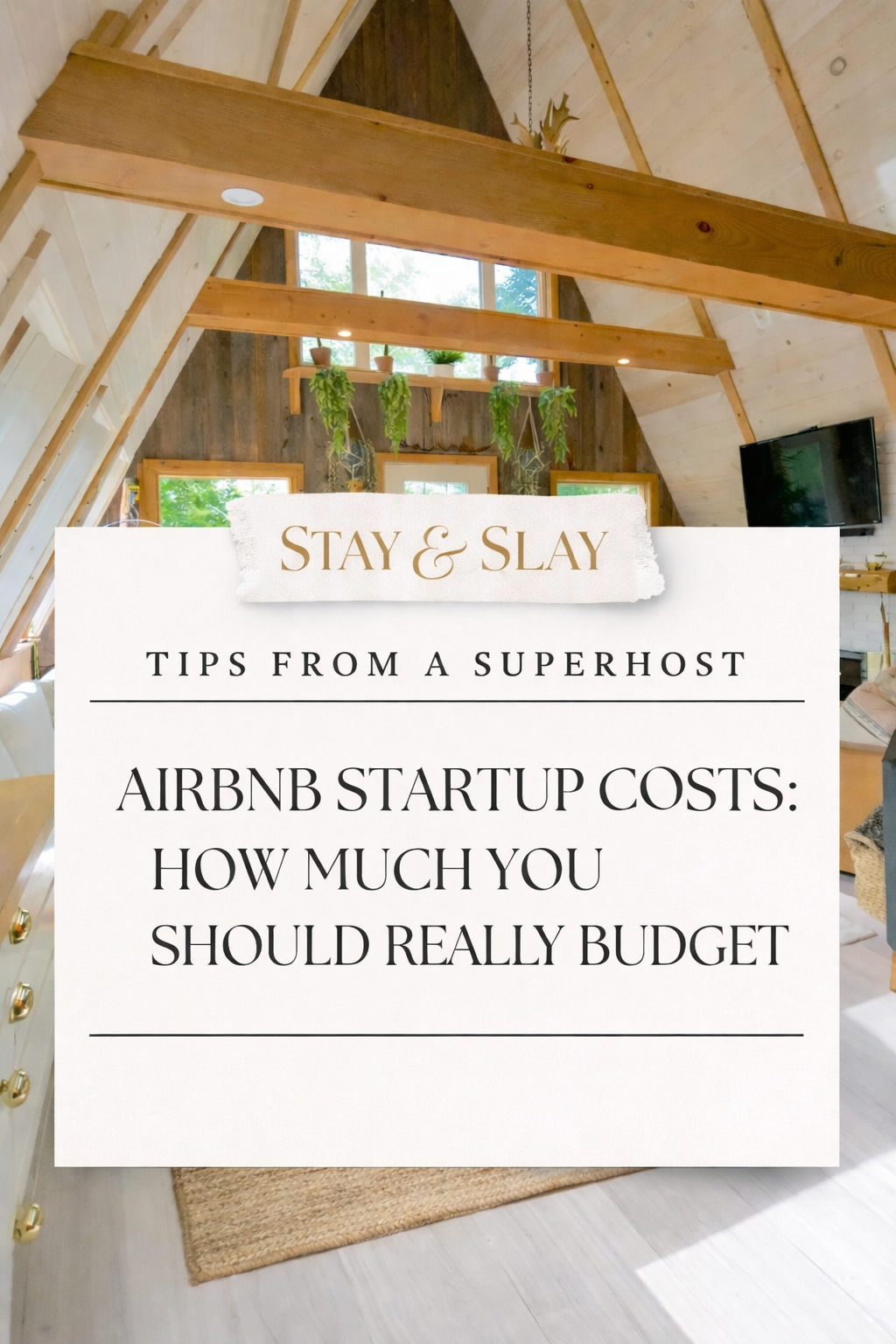
Airbnb Startup Costs: How Much You Should Really Budget
Starting an Airbnb is exciting—but understanding the true startup costs is the key to long-term success. From purchasing the right property to furnishing, licensing, and ongoing expenses, this guide breaks down everything you need to budget for before launching your short-term rental. Whether you’re considering your first Airbnb or refining your investment strategy, this realistic cost overview will help you start smarter, avoid common mistakes, and build a profitable Airbnb business from day one.
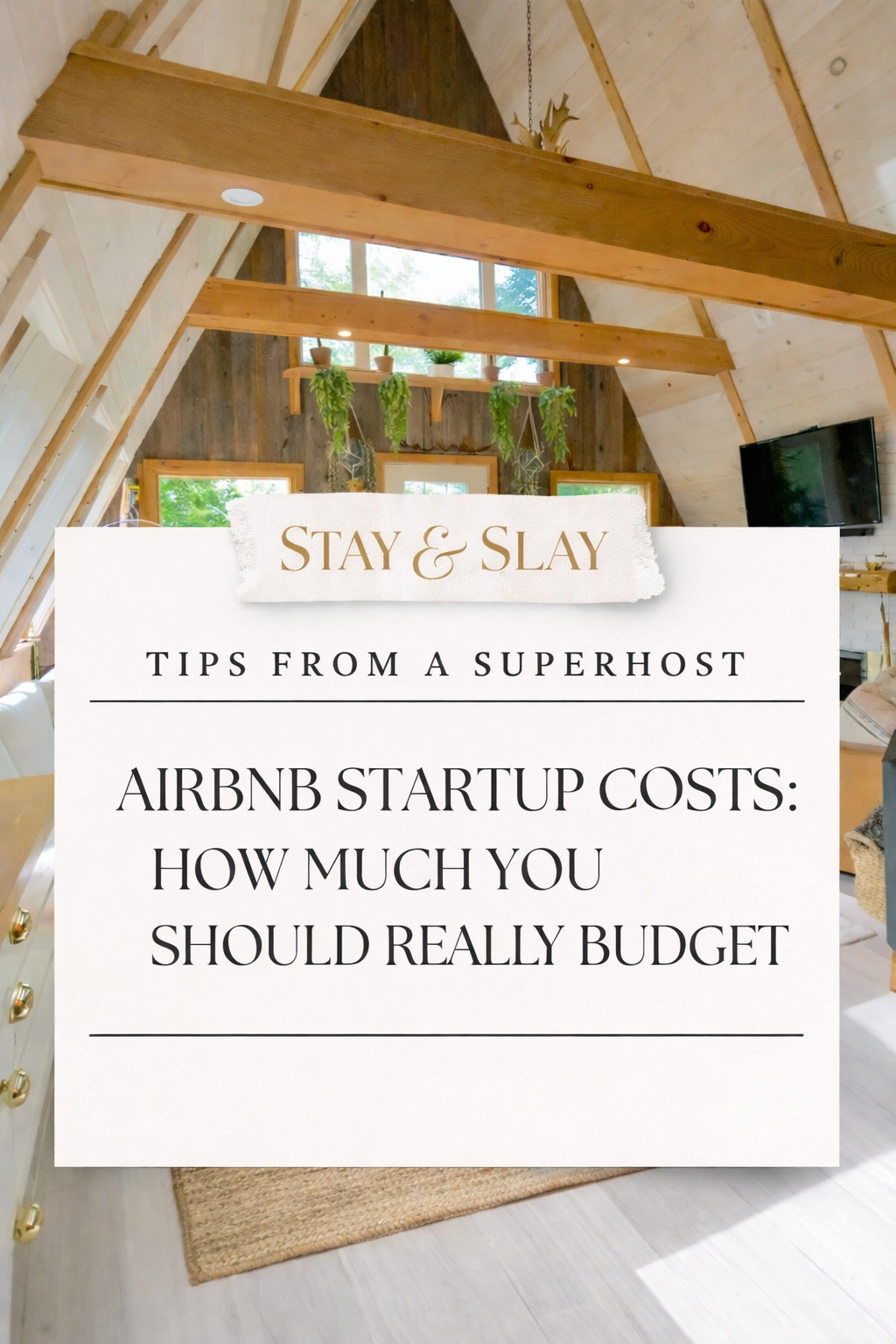
Starting an Airbnb can feel equal parts exciting and overwhelming—and that’s completely normal.
As avid travelers and experienced Airbnb Superhosts, we’ve been exactly where you are. The short-term rental industry is booming, and while the opportunity is incredible, success starts with understanding the true cost of getting started.
This guide breaks down the real Airbnb startup costs—from purchasing a property to furnishing, licensing, and ongoing expenses—so you can confidently turn your hosting dream into a profitable short-term rental business.
Purchasing a Home
If you don’t already own a rental property, purchasing a home will likely be your largest upfront expense.
Most lenders require:
Approximately 20% down for investment properties
Higher interest rates than primary residence loans
In addition to your down payment, you’ll need to budget for:
Closing costs
Inspections
Initial repairs or renovations
Ensuring all systems and utilities are fully functional
Airbnb guests expect a move-in-ready home—anything less can impact reviews and bookings.
Where Stay & Slay comes in:
As a licensed real estate professional and interior designer, I help clients from start to finish— determine the right property, evaluate income potential, manage renovations, and design a space that books. Having one expert guide the entire process can save you time, money, and costly mistakes.
Budgeting for Furnishings
Furnishing an Airbnb is more than decorating—it’s an investment in durability, comfort, and guest experience.
While designer pieces may be tempting, high-quality, guest-proof furnishings are the smarter choice. Wear and tear is part of the business.
Here’s a realistic starting budget range for quality furnishings and decor:
1-Bedroom: $7,000–$10,000
2-Bedroom: $12,000–$15,000
3-Bedroom: $20,000–$25,000
4+ Bedrooms: $30,000+
For reference, our 1,300-square-foot, 3-bedroom rental required approximately $20,000 to fully furnish, decorate, and stock with guest-ready essentials.
Stocking the Essentials
Furniture alone isn’t enough—guests notice the details.
You’ll need to stock:
Fully equipped kitchenware
Linens and towels
Bathroom essentials
Laundry supplies
Cleaning products
Providing consumables like shampoo, paper towels, laundry detergent, and snacks elevates the guest experience and directly impacts five-star reviews.
We average around $50 per month on consumables for our rental—a small cost with a big return.
Licensing and Local Regulations
Before investing, it’s critical to research state and city short-term rental ordinances.
Many cities are tightening regulations, and licensing requirements vary widely. Fees may range from a few hundred dollars annually to significantly more depending on location.
Always confirm:
STR zoning allowances
Registration requirements
Renewal timelines
Local tax obligations
Skipping this step can be a costly mistake.
Professional Services to Consider
Some services are optional—but others are worth every dollar.
You may want to hire:
A professional real estate photographer
An interior designer
A contractor or handyman
Furniture assembly support
Marketing or social media assistance
If you hire only one service, make it professional photography. Listing photos directly impact clicks, bookings, and nightly rates. It’s one of the highest ROI decisions you can make.
Recurring Airbnb Expenses
Startup costs don’t end once your listing goes live. Ongoing expenses include:
Mortgage
Short-term rental insurance
Property taxes
Occupancy or hotel taxes
Utilities (electric, gas, water, internet, streaming)
Cleaning between guests
Lawn or exterior maintenance
Dynamic pricing tools (we recommend PriceLabs)
Routine maintenance
Restocking supplies
Repairs and emergency expenses
HOA or condo association fees
Understanding these recurring costs is essential for accurate profit projections.
Ways to Reduce Airbnb Startup Costs
Starting smart can significantly lower your initial investment.
1. Choose a Smaller Property
Renting out a room in your primary residence or starting with a smaller home reduces:
Mortgage costs
Furnishing expenses
Utilities and maintenance
2. Buy Second-Hand When It Makes Sense
High-quality second-hand furniture can save thousands. Dining tables, dressers, and sofas are excellent used purchases.
Always buy new mattresses and linens.
3. Invest in Affordable Markets
Lower cost-of-living areas often mean:
Lower purchase prices
Reduced taxes
More affordable services
4. Shop Around
Compare insurance providers, internet services, cleaning crews, and maintenance professionals. The goal isn’t the cheapest—it’s the best value and reliability.
5. Do It Yourself
Painting, assembling furniture, and minor handyman work can significantly stretch your budget if you’re willing to put in sweat equity.
Common Mistakes First-Time Hosts Make
Avoid these costly missteps:
Skipping professional photography
Buying damaged or worn second-hand furniture
Underestimating utilities and supply costs
Neglecting interior design details
Great design isn’t about excess—it’s about warmth, cohesion, and comfort. Art, window treatments, and thoughtful styling make guests feel at home and encourage repeat stays.
Understanding Your Return on Investment
Before purchasing, calculate your potential ROI.
Start by researching:
Comparable listings
Nightly rates
Occupancy trends
Monthly revenue
Tools like AirDNA can help estimate income by market and property type.
ROI formula:
(Estimated Income – Expenses) ÷ Total Expenses × 100
This calculation helps you determine whether a property aligns with your financial goals.
Financially Preparing for Airbnb Success
Airbnb startup costs vary widely based on location, property size, and design choices. Building a buffer into your budget is essential—unexpected expenses are part of the process.
With proper planning, realistic expectations, and the right strategy, short-term rentals can be both profitable and rewarding.
At Stay & Slay, we help hosts design smarter, invest strategically, and build Airbnb businesses that perform.
Sign Up as an Airbnb Host
If you’re ready to get started, you can use our Airbnb referral link to sign up as a host and receive a $40 bonus. We also receive a referral credit, which we truly appreciate.
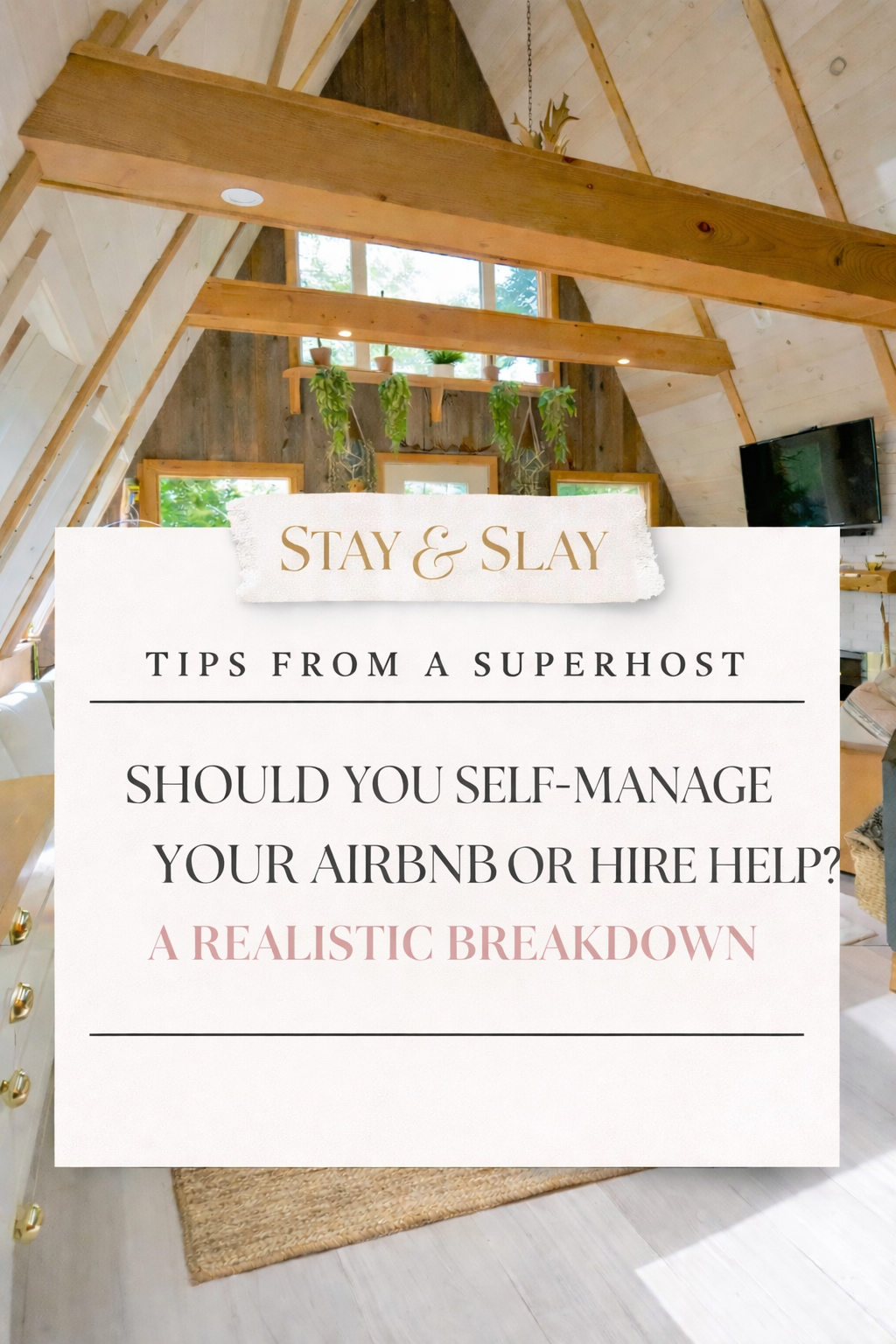
Should You Self-Manage Your Airbnb or Hire Help? A Realistic Breakdown
Should you self-manage your Airbnb and keep full control?
Or is it smarter to hire help and free up your time?
There’s no one-size-fits-all answer. The right choice depends on your goals, availability, experience, and tolerance for day-to-day operations. This guide breaks down the real pros, cons, and costs of both paths so you can make a confident, informed decision.
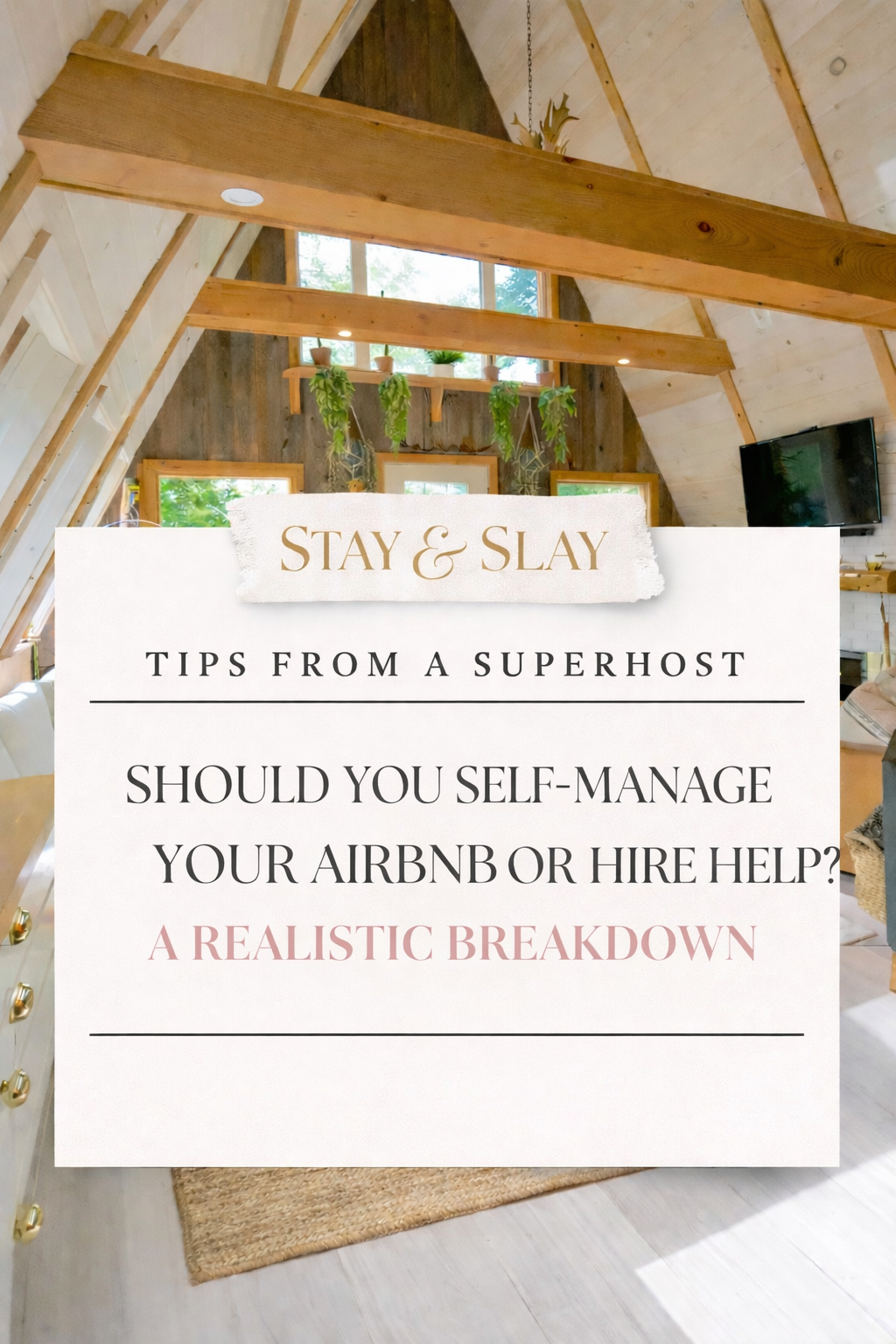
One of the biggest decisions Airbnb hosts face isn’t about design, pricing, or amenities—it’s about management.
Should you self-manage your Airbnb and keep full control?
Or is it smarter to hire help and free up your time?
There’s no one-size-fits-all answer. The right choice depends on your goals, availability, experience, and tolerance for day-to-day operations. This guide breaks down the real pros, cons, and costs of both paths so you can make a confident, informed decision.
Option 1: Self-Managing Your Airbnb
Self-managing means you handle everything—from guest communication to turnovers and maintenance.
What Self-Managing Really Involves
Responding to inquiries and booking requests
Managing check-in/check-out details
Coordinating cleaners and restocking supplies
Handling maintenance issues (often urgently)
Adjusting pricing and availability
Managing reviews and guest feedback
It’s not just hospitality—it’s operations.
Pros of Self-Managing
Higher profit margins with no management fees
Full control over guest experience and decisions
Direct insight into what guests want and need
Great for local owners with flexible schedules
Cons of Self-Managing
Time-intensive, especially during peak seasons
Guest messages don’t follow business hours
One issue can derail your entire day
Difficult to scale beyond one or two properties
Best fit for:
Hands-on hosts, local owners, first-time Airbnb operators who want to learn the business inside and out.
Option 2: Hiring Help or a Property Manager
Hiring help can mean different things—from a co-host to full-service property management.
Types of Help You Can Hire
Cleaners & maintenance only
Co-hosts (handling messaging, turnovers, coordination)
Full-service property managers (hands-off approach)
Pros of Hiring Help
Time freedom and reduced stress
Faster response times for guests
Easier to manage remotely
Allows you to scale multiple properties
Cons of Hiring Help
Management fees typically range from 10–30%
Less control over guest experience
Not all managers care equally about design or details
Quality varies significantly by provider
Best fit for:
Remote owners, busy professionals, investors scaling portfolios, or anyone valuing time over margin.
The Hidden Third Option: Design Smarter, Manage Less
Here’s what many hosts overlook:
The way your Airbnb is designed directly affects how hard it is to manage.
A poorly designed Airbnb:
Generates more guest questions
Suffers more wear and tear
Leads to confusion, complaints, and bad reviews
Requires constant intervention
A thoughtfully designed Airbnb:
Anticipates guest needs
Reduces messages and issues
Creates smoother turnovers
Earns better reviews with less effort
This is where strategy meets design.
Key Questions to Ask Before Deciding
Before choosing self-management or hiring help, ask yourself:
How many hours per week can I realistically commit?
Do I live near the property?
How comfortable am I handling guest issues?
Is this a side hustle or a long-term investment?
Am I planning to scale beyond one property?
Your answers will guide the right decision.
What We Recommend at Stay & Slay
Many successful hosts start by self-managing, then transition to hiring help once systems are in place.
Our approach focuses on:
Designing Airbnbs that are easy to manage
Creating guest experiences that reduce friction
Helping hosts decide when it makes sense to bring in help
Setting up properties for long-term profitability—not burnout
Management decisions are easier when your Airbnb is set up correctly from day one.
Final Thoughts
Self-managing your Airbnb can be incredibly rewarding—but it’s not passive income. Hiring help can free your time—but it comes at a cost.
The smartest hosts choose the option that aligns with their lifestyle, goals, and capacity—and they design their Airbnb to support that choice.
If you’re unsure which path is right for you, or want help designing an Airbnb that performs without constant hands-on management, Stay & Slay is here to help.
Top Guest-Requested Items Every Airbnb Host Should Have on Hand
One of the fastest ways to earn five-star reviews—and repeat bookings—is surprisingly simple: have what guests need before they have to ask.
As experienced Airbnb Superhosts and frequent travelers ourselves, we’ve learned that guests may forget an item at home, arrive late, or need something unexpected during their stay. When those moments are handled seamlessly, guests feel cared for—and that shows up in reviews.
This guide covers the most requested Airbnb guest items every host should have on hand to create a stress-free, memorable stay.
One of the fastest ways to earn five-star reviews—and repeat bookings—is surprisingly simple: have what guests need before they have to ask.
As experienced Airbnb Superhosts and frequent travelers ourselves, we’ve learned that guests may forget an item at home, arrive late, or need something unexpected during their stay. When those moments are handled seamlessly, guests feel cared for—and that shows up in reviews.
This guide covers the most requested Airbnb guest items every host should have on hand to create a stress-free, memorable stay.
Bathroom Essentials Guests Always Ask For
Bathrooms are one of the most scrutinized spaces in any Airbnb. Stocking them well immediately sets the tone.
Must-have bathroom items:
Shampoo, conditioner, and body wash
Extra toilet paper (more than you think)
Makeup remover wipes
Hair dryer
Cotton swabs and cotton rounds
Hand soap and lotion
Extra towels and washcloths
Shower mat
Pro tip: Quality toiletries feel luxurious without a big price tag—and they’re one of the easiest ways to elevate the guest experience.
Kitchen Items Guests Expect (and Notice When Missing)
A well-stocked kitchen can be the difference between a good stay and a great one.
Top requested kitchen essentials:
Coffee (plus filters or pods)
Tea assortment
Sugar, salt, and pepper
Olive oil or cooking spray
Paper towels
Dish soap and dishwasher pods
Trash bags
Food storage containers
Basic cookware (pots, pans, baking sheet)
Sharp knives and cutting board
Bottle opener and corkscrew
Guests may not use everything—but they will notice what’s missing.
Bedroom Comfort Items Guests Love
Comfort equals rest, and rest equals five-star reviews.
Bedroom must-haves:
Extra pillows and blankets
Luggage rack or bench
Full-length mirror
Blackout curtains or shades
Bedside charging options (USB or extension cords)
Closet hangers
Laundry basket or hamper
Pro tip: Assume guests have multiple devices and plan accordingly.
Cleaning and Laundry Supplies Guests Often Request
Even on vacation, guests want the ability to tidy up.
Have these easily accessible:
Laundry detergent
Dryer sheets
Broom or vacuum
Paper towels
Disinfecting wipes
Trash bags
Keep cleaning supplies visible but organized to avoid clutter.
Tech & Connectivity Essentials
Few things frustrate guests faster than tech issues.
Tech items to keep on hand:
High-speed WiFi (clearly labeled network + password)
Smart TV with streaming capability
HDMI cable
Remote controls with fresh batteries
Extension cords
Phone chargers (bonus item guests love)
Family-Friendly & Pet-Friendly Extras
If your listing allows families or pets, these items are often requested:
Family-friendly items:
Pack-and-play or crib
High chair
Children’s dishware
Step stool
Pet-friendly items:
Dog bowls
Pet waste bags
Lint roller
Clearly stated pet rules
These extras help your listing stand out in competitive markets.
Outdoor & Lifestyle Extras That Elevate the Stay
Small lifestyle touches create memorable experiences.
Guest favorites include:
Beach towels
Outdoor seating
Fire pit tools
Board games or card decks
Local guidebook or recommendations
Umbrellas
Sunscreen or bug spray (location dependent)
These thoughtful additions often show up in glowing reviews.
Emergency & First-Aid Items Guests Appreciate
Emergencies are rare—but preparedness matters.
Keep these on hand:
First-aid kit
Flashlight
Extra batteries
Fire extinguisher
Basic tools
Contact information for local urgent care
Make emergency items easy to find and clearly labeled.
How to Organize Guest-Requested Items
The key is visibility without clutter.
Best practices:
Label cabinets and drawers
Store extras in one clearly marked location
Mention available supplies in your house manual
Restock between every stay
When guests don’t have to ask, they feel cared for.
Why Having These Items Matters
Stocking your Airbnb thoughtfully:
Reduces guest messages and interruptions
Prevents negative reviews
Encourages longer stays
Increases repeat bookings
Guests may forget what you provided—but they’ll remember how easy and comfortable the stay felt.
Final Thoughts
Great hosting isn’t about excess—it’s about anticipation.
By keeping these top-requested Airbnb items on hand, you remove friction, build trust, and create an experience guests are excited to recommend and return to.
At Stay & Slay, we believe the best-performing Airbnbs are designed with the guest in mind—from layout to lighting to the smallest details.
If you want help setting up, styling, or optimizing your Airbnb for higher bookings and better reviews, we’re here to help.
Want to make sure your Airbnb is fully guest-ready?
We’ve created a comprehensive Airbnb Essentials Checklist to help you stock your space with everything guests actually want. Reach out and we’ll happily share it with you.
12 Simple (But Powerful) Ways to Get More Airbnb Bookings
12 Simple (But Powerful) Ways to Get More Airbnb Bookings
Is your Airbnb sitting empty while other listings in your market stay fully booked?
You’re not alone—and it’s not bad luck. In today’s competitive short-term rental landscape, bookings go to hosts who are intentional, strategic, and guest-focused.
As Airbnb Superhosts with a consistently full calendar and a profitable short-term rental business, we’ve learned exactly what attracts guests, earns five-star reviews, and keeps bookings rolling in year-round.
Below are 12 proven strategies you can start using immediately to increase your Airbnb bookings, improve occupancy, and maximize revenue.
Is your Airbnb sitting empty while other listings in your market stay fully booked?
You’re not alone—and it’s not bad luck. In today’s competitive short-term rental landscape, bookings go to hosts who are intentional, strategic, and guest-focused.
As Airbnb Superhosts with a consistently full calendar and a profitable short-term rental business, we’ve learned exactly what attracts guests, earns five-star reviews, and keeps bookings rolling in year-round.
Below are 12 proven strategies you can start using immediately to increase your Airbnb bookings, improve occupancy, and maximize revenue.
1. Invest in Professional Photography (This Is Non-Negotiable)
If you do one thing to increase your bookings, let it be this.
Professional real estate photography is the single best investment you can make in your Airbnb. Your photos are your first impression—and in a crowded marketplace, they determine whether a guest clicks or keeps scrolling.
A photographer with real estate and short-term rental experience knows how to:
Capture space, light, and flow
Highlight standout features
Make rooms feel inviting, polished, and book-worthy
Great photos don’t just attract more bookings—they justify higher nightly rates.
2. Deliver a Five-Star Experience (Every Single Stay)
Five-star reviews are the currency of Airbnb success. They build trust, boost your ranking, and remove hesitation for future guests.
To earn consistent five-star reviews:
Maintain spotless cleanliness
Provide clear check-in and check-out instructions
Communicate promptly and professionally
Set clear expectations and house rules
Add thoughtful extras like snacks, water, phone chargers, games, and quality toiletries
Address issues immediately and generously when they arise
After checkout, ask for the review. A simple, gracious message goes a long way—and most happy guests are glad to support you.
3. Make Your Listing Impossible to Ignore
Generic listings blend in. Memorable listings book out.
Your Airbnb should offer at least one standout feature—and that feature should be showcased in your top five photos, especially your hero image.
Ideas that consistently attract bookings:
Pools or hot tubs
Fire pits and outdoor lounge spaces
Game rooms or yard games
Statement walls or custom finishes
Designer furnishings and lighting
Local art or architectural details
Record players or curated experiences
Guests don’t just book a place to sleep—they book an experience.
4. Price Strategically, Not Emotionally
Pricing can make or break your occupancy.
Overpricing leads to empty nights. Underpricing leaves money on the table. The goal is alignment with market demand.
Best practices:
Avoid Airbnb’s Smart Pricing—it often undervalues your listing
Use a dynamic pricing tool that adjusts nightly rates based on demand, seasonality, and local competition
We recommend PriceLabs for its reliability, flexibility, and ability to maximize both occupancy and revenue.
5. Use Social Media as a Booking Engine
Social media isn’t just branding—it’s marketing.
Create visibility for your Airbnb by:
Encouraging friends, family, and guests to share your listing
Reposting guest photos and reviews
Running strategic giveaways with local businesses to increase reach
Social proof builds trust before guests ever land on your listing page.
6. Keep Your Listing Active and Updated
The Airbnb algorithm favors hosts who stay engaged.
Simple actions that help:
Adjust pricing regularly (automated tools help)
Refresh photos after updates or seasonal changes
Update your description when you add amenities or features
Accurate, current listings rank better—and lead to happier guests.
7. Enable Instant Booking (With Guardrails)
Instant Booking allows guests to book immediately without host approval, which Airbnb favors in search rankings.
Benefits include:
Higher visibility
Faster bookings
Greater convenience for guests
If guest quality is a concern, use Airbnb’s built-in filters to require positive reviews or verified profiles.
8. Consider Allowing Pets
Pet-friendly listings attract a massive, underserved audience.
Pros:
More bookings
Higher nightly rates with pet fees
Less competition
Cons:
Additional cleaning
Potential wear and tear
Clear pet rules and appropriate fees help protect your property while boosting demand.
9. Fill Orphan Nights Strategically
Orphan nights—single gaps between bookings—can quietly drain revenue.
Instead of leaving them empty, offer a discounted extra night to guests on either side of the gap. Many guests happily extend their stay, reducing turnovers and increasing income.
10. Encourage Repeat Guests with Thoughtful Incentives
Repeat guests are gold.
Offer a small future-stay discount to guests who took great care of your home. A personalized follow-up message after checkout helps turn one-time stays into long-term loyalty.
11. Build and Nurture an Email List
An email list gives you direct access to past guests—without relying on algorithms.
Ways to grow your list:
QR codes or guestbooks inside your property
Incentives like exclusive discounts
Social media opt-ins
Email marketing is especially powerful during slower seasons.
12. Expand Beyond Airbnb
Airbnb shouldn’t be your only booking source.
Consider listing on:
VRBO
Booking.com
Furnished Finder
Peerspace
Zillow
Facebook Marketplace
Google Vacation Rentals
If you use multiple platforms, link calendars through property management software like Lodgify or Guesty to avoid double bookings.
Can These Tips Work for VRBO?
Yes—every single one.
These strategies apply across platforms, including VRBO. Listing on multiple sites increases exposure, but calendar syncing is essential to protect your bookings.
Start Filling Your Calendar—On Purpose
Today’s short-term rental market rewards hosts who are proactive, intentional, and guest-focused.
By optimizing your listing, creating standout experiences, and marketing strategically, you can dramatically increase bookings and revenue—without adding more properties.
Implement even a few of these strategies and you’ll start seeing results.
If you want help designing, optimizing, or repositioning your Airbnb for higher performance, Stay & Slay is here to help.