Airbnb Startup Costs: How Much You Should Really Budget
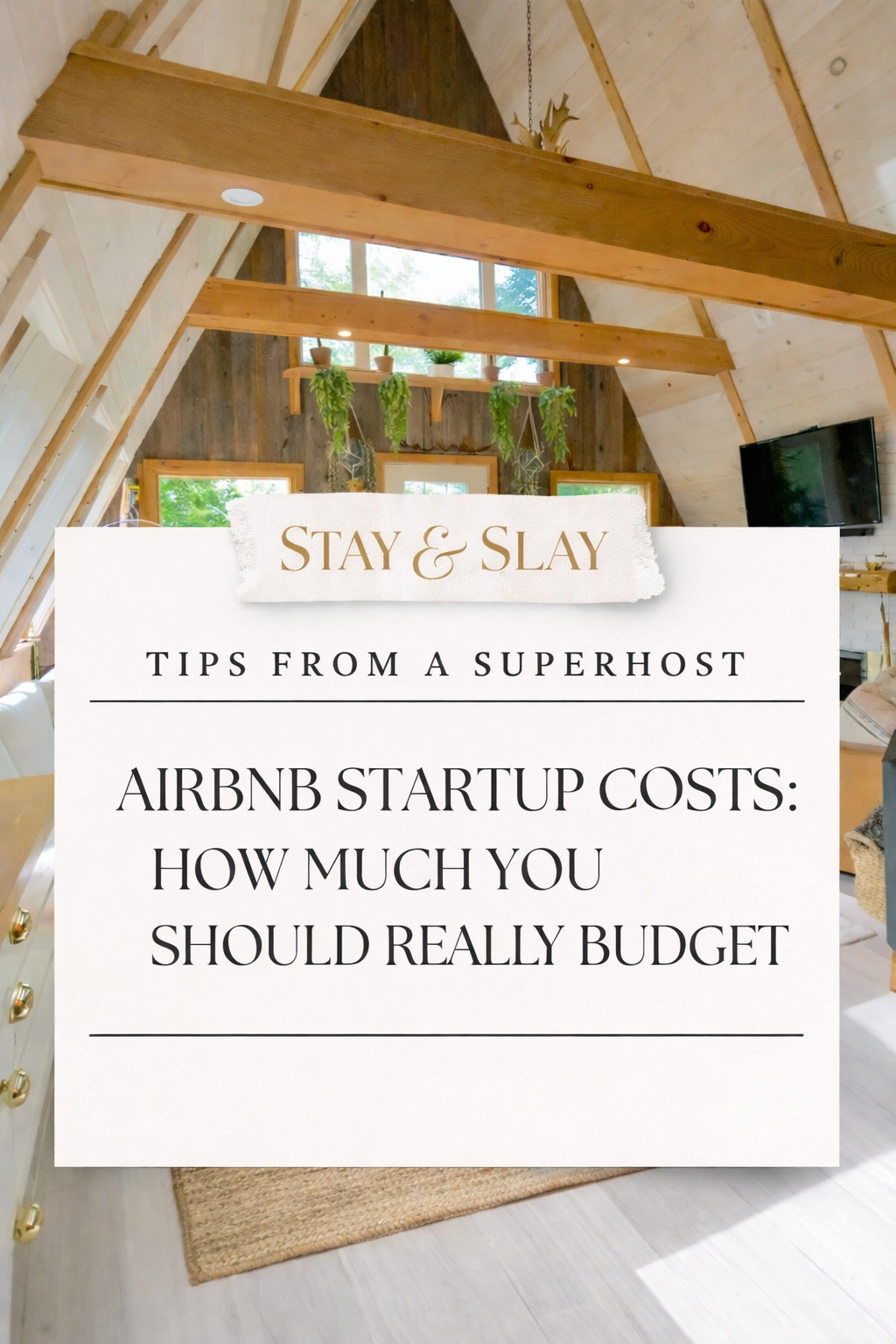
Starting an Airbnb can feel equal parts exciting and overwhelming—and that’s completely normal.
As avid travelers and experienced Airbnb Superhosts, we’ve been exactly where you are. The short-term rental industry is booming, and while the opportunity is incredible, success starts with understanding the true cost of getting started.
This guide breaks down the real Airbnb startup costs—from purchasing a property to furnishing, licensing, and ongoing expenses—so you can confidently turn your hosting dream into a profitable short-term rental business.
Purchasing a Home
If you don’t already own a rental property, purchasing a home will likely be your largest upfront expense.
Most lenders require:
Approximately 20% down for investment properties
Higher interest rates than primary residence loans
In addition to your down payment, you’ll need to budget for:
Closing costs
Inspections
Initial repairs or renovations
Ensuring all systems and utilities are fully functional
Airbnb guests expect a move-in-ready home—anything less can impact reviews and bookings.
Where Stay & Slay comes in:
As a licensed real estate professional and interior designer, I help clients from start to finish— determine the right property, evaluate income potential, manage renovations, and design a space that books. Having one expert guide the entire process can save you time, money, and costly mistakes.
Budgeting for Furnishings
Furnishing an Airbnb is more than decorating—it’s an investment in durability, comfort, and guest experience.
While designer pieces may be tempting, high-quality, guest-proof furnishings are the smarter choice. Wear and tear is part of the business.
Here’s a realistic starting budget range for quality furnishings and decor:
1-Bedroom: $7,000–$10,000
2-Bedroom: $12,000–$15,000
3-Bedroom: $20,000–$25,000
4+ Bedrooms: $30,000+
For reference, our 1,300-square-foot, 3-bedroom rental required approximately $20,000 to fully furnish, decorate, and stock with guest-ready essentials.
Stocking the Essentials
Furniture alone isn’t enough—guests notice the details.
You’ll need to stock:
Fully equipped kitchenware
Linens and towels
Bathroom essentials
Laundry supplies
Cleaning products
Providing consumables like shampoo, paper towels, laundry detergent, and snacks elevates the guest experience and directly impacts five-star reviews.
We average around $50 per month on consumables for our rental—a small cost with a big return.
Licensing and Local Regulations
Before investing, it’s critical to research state and city short-term rental ordinances.
Many cities are tightening regulations, and licensing requirements vary widely. Fees may range from a few hundred dollars annually to significantly more depending on location.
Always confirm:
STR zoning allowances
Registration requirements
Renewal timelines
Local tax obligations
Skipping this step can be a costly mistake.
Professional Services to Consider
Some services are optional—but others are worth every dollar.
You may want to hire:
A professional real estate photographer
An interior designer
A contractor or handyman
Furniture assembly support
Marketing or social media assistance
If you hire only one service, make it professional photography. Listing photos directly impact clicks, bookings, and nightly rates. It’s one of the highest ROI decisions you can make.
Recurring Airbnb Expenses
Startup costs don’t end once your listing goes live. Ongoing expenses include:
Mortgage
Short-term rental insurance
Property taxes
Occupancy or hotel taxes
Utilities (electric, gas, water, internet, streaming)
Cleaning between guests
Lawn or exterior maintenance
Dynamic pricing tools (we recommend PriceLabs)
Routine maintenance
Restocking supplies
Repairs and emergency expenses
HOA or condo association fees
Understanding these recurring costs is essential for accurate profit projections.
Ways to Reduce Airbnb Startup Costs
Starting smart can significantly lower your initial investment.
1. Choose a Smaller Property
Renting out a room in your primary residence or starting with a smaller home reduces:
Mortgage costs
Furnishing expenses
Utilities and maintenance
2. Buy Second-Hand When It Makes Sense
High-quality second-hand furniture can save thousands. Dining tables, dressers, and sofas are excellent used purchases.
Always buy new mattresses and linens.
3. Invest in Affordable Markets
Lower cost-of-living areas often mean:
Lower purchase prices
Reduced taxes
More affordable services
4. Shop Around
Compare insurance providers, internet services, cleaning crews, and maintenance professionals. The goal isn’t the cheapest—it’s the best value and reliability.
5. Do It Yourself
Painting, assembling furniture, and minor handyman work can significantly stretch your budget if you’re willing to put in sweat equity.
Common Mistakes First-Time Hosts Make
Avoid these costly missteps:
Skipping professional photography
Buying damaged or worn second-hand furniture
Underestimating utilities and supply costs
Neglecting interior design details
Great design isn’t about excess—it’s about warmth, cohesion, and comfort. Art, window treatments, and thoughtful styling make guests feel at home and encourage repeat stays.
Understanding Your Return on Investment
Before purchasing, calculate your potential ROI.
Start by researching:
Comparable listings
Nightly rates
Occupancy trends
Monthly revenue
Tools like AirDNA can help estimate income by market and property type.
ROI formula:
(Estimated Income – Expenses) ÷ Total Expenses × 100
This calculation helps you determine whether a property aligns with your financial goals.
Financially Preparing for Airbnb Success
Airbnb startup costs vary widely based on location, property size, and design choices. Building a buffer into your budget is essential—unexpected expenses are part of the process.
With proper planning, realistic expectations, and the right strategy, short-term rentals can be both profitable and rewarding.
At Stay & Slay, we help hosts design smarter, invest strategically, and build Airbnb businesses that perform.
Sign Up as an Airbnb Host
If you’re ready to get started, you can use our Airbnb referral link to sign up as a host and receive a $40 bonus. We also receive a referral credit, which we truly appreciate.